


Custom Rubber Sleeves: Tailoring Solutions for Every Need
2026-10-20
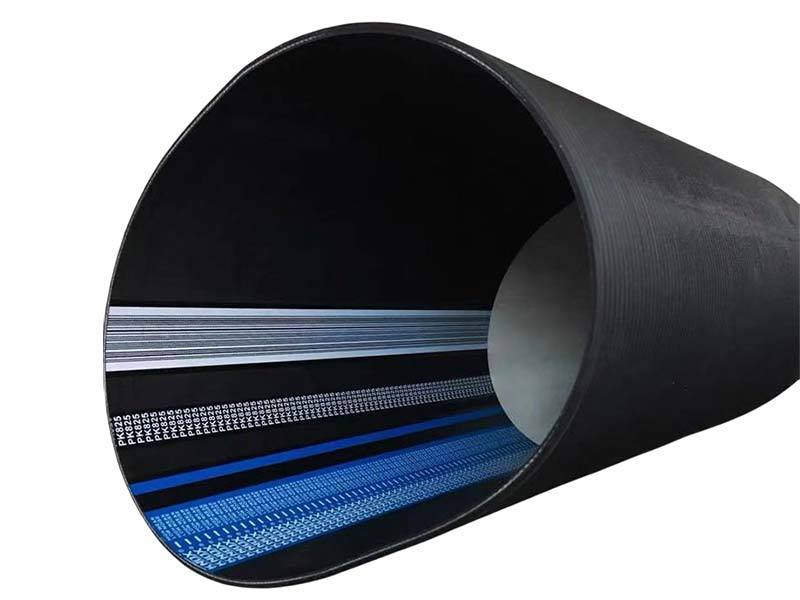
Custom Rubber Sleeves: Tailoring Solutions for Every Need
In today’s fast-paced industrial landscape, custom rubber sleeves have emerged as essential components that cater to various applications across diverse sectors. These sleeves are engineered to enhance performance, protect sensitive equipment, and improve overall efficiency. This article dives deep into the realm of custom rubber sleeves, discussing their significance, manufacturing processes, and applications in various industries.
Understanding Custom Rubber Sleeves
Custom rubber sleeves are versatile components manufactured to meet specific requirements of different industries. They can be designed to serve various purposes, including insulation, protection, and sealing. The nature of rubber allows these sleeves to provide excellent flexibility and durability, making them ideal for a range of applications.
Key Features of Custom Rubber Sleeves
1. **Durability**: Rubber sleeves are designed to withstand harsh conditions, including extreme temperatures, chemicals, and abrasion.
2. **Customization**: Each sleeve can be tailored to fit unique dimensions and specifications, ensuring compatibility with different equipment.
3. **Insulation**: Rubber materials provide excellent electrical insulation, reducing the risk of short circuits and equipment failures.
4. **Sealing Properties**: Custom rubber sleeves effectively seal joints and connections, preventing leaks and ensuring system integrity.
The Importance of Customization in Rubber Sleeves
Customization is crucial when it comes to rubber sleeves. Off-the-shelf solutions may not always meet the specific needs of every application. Tailoring the design ensures that the sleeves perform optimally while adhering to industry standards and regulations.
Factors to Consider When Customizing Rubber Sleeves
1. **Material Selection**: Different rubber compounds are available, each with distinct properties. Common materials include natural rubber, neoprene, silicone, and EPDM. The choice of material should align with the application requirements.
2. **Dimensions and Fit**: Accurate measurements are essential for ensuring that the sleeves fit perfectly over the intended equipment. This includes considering factors such as diameter, length, and wall thickness.
3. **Environmental Conditions**: Understanding the environmental factors in which the sleeves will be used is critical. This includes temperature extremes, exposure to chemicals, and moisture levels.
4. **Performance Standards**: Depending on the application, the sleeves may need to meet specific industry standards such as ASTM or ISO. Customization helps in achieving compliance with these standards.
Manufacturing Processes for Custom Rubber Sleeves
The manufacturing process for custom rubber sleeves involves several stages, ensuring high-quality and precision products. Here’s a detailed overview:
1. Design and Prototyping
The first step in creating custom rubber sleeves is the design phase. Engineers work closely with clients to develop specifications, including dimensions and materials. Prototyping allows for testing and adjustments before mass production.
2. Material Preparation
Once the design is finalized, the chosen rubber material is prepared. This may involve mixing raw materials with additives to enhance properties such as elasticity, strength, and resistance to environmental factors.
3. Molding Process
The prepared rubber is then subjected to a molding process. Common techniques include compression molding and injection molding. Each method has its advantages, and the choice depends on the complexity and volume of the required sleeves.
4. Curing and Finishing
After molding, the rubber sleeves undergo a curing process, where heat and pressure are applied to solidify the material. This step enhances the durability and performance of the sleeves. Finally, finishing touches such as trimming and surface treatment are performed to ensure quality.
Applications of Custom Rubber Sleeves in Various Industries
Custom rubber sleeves find applications in a wide range of industries, each with distinct requirements. Here are some notable sectors where these sleeves play a vital role:
1. Automotive Industry
In the automotive sector, custom rubber sleeves are used for protecting cables, wires, and hoses. They provide insulation against heat and moisture, ensuring longevity and reliability in vehicles.
2. Electrical and Electronics
Custom sleeves are essential in the electrical industry for safeguarding wires and connectors. They help prevent electrical shorts and enhance the overall safety of electrical systems.
3. Industrial Equipment
In manufacturing and industrial settings, rubber sleeves protect machinery components from dust, moisture, and wear. They are crucial for maintaining the efficiency and lifespan of equipment.
4. Construction and Infrastructure
Construction applications often require custom rubber sleeves for sealing joints and connections in pipes and fittings. This ensures water-tight seals, preventing leaks in critical structures.
Advantages of Using Custom Rubber Sleeves
Investing in custom rubber sleeves offers several advantages for businesses and industries:
1. Enhanced Performance
Custom solutions ensure that the rubber sleeves meet the specific demands of the application, leading to improved performance and reliability.
2. Cost-Effectiveness
While custom solutions may have a higher upfront cost, they often lead to savings in the long run due to reduced failures and maintenance requirements.
3. Improved Safety
By providing insulation and sealing capabilities, custom rubber sleeves enhance safety for operators and equipment, reducing the likelihood of accidents.
4. Tailored Solutions for Unique Needs
Customization allows businesses to address specific challenges and requirements effectively, ensuring optimal results for their applications.
Frequently Asked Questions (FAQs)
1. What materials are commonly used for custom rubber sleeves?
Common materials include natural rubber, neoprene, silicone, and EPDM, each offering unique properties suited for different applications.
2. How do I choose the right material for my custom rubber sleeves?
Consider factors such as environmental conditions, chemical exposure, temperature ranges, and performance requirements when selecting materials.
3. Can custom rubber sleeves be made in any size or shape?
Yes, custom rubber sleeves can be designed to meet specific dimensions and shapes as per the client’s requirements.
4. What industries benefit from custom rubber sleeves?
Industries such as automotive, electrical, industrial equipment, and construction all benefit from the versatility and performance of custom rubber sleeves.
5. How long does the manufacturing process take for custom rubber sleeves?
The timeline varies based on complexity and order volume, but clients can typically expect a few weeks from design to delivery.
Conclusion
Custom rubber sleeves are an invaluable asset across various industries, providing tailored solutions that enhance performance and safety. By understanding the manufacturing processes, material selection, and applications, businesses can make informed decisions that align with their specific needs. Investing in high-quality, custom rubber sleeves ensures optimal functionality, longevity, and protection for critical components. With the right partner and a well-defined strategy, organizations can leverage the benefits of custom rubber sleeves to drive efficiency and success in their operations.
Previous:
Contact Us
E-mail:
hy-1@hanyubelt.com
Manager Peng:
+8613758603868
Lina:
+8618989621567
Address:
No.109 -2, Kaiyuan Street, Zhu'ao Town, Sanmen County, Zhejiang Province
No.109 -2, Kaiyuan Street, Zhu'ao Town, Sanmen County, Zhejiang Province
ONLINE MESSAGE