


Understanding Cutting Flat Belt XA: A Comprehensive Guide for Industrial Professionals
2026-04-14
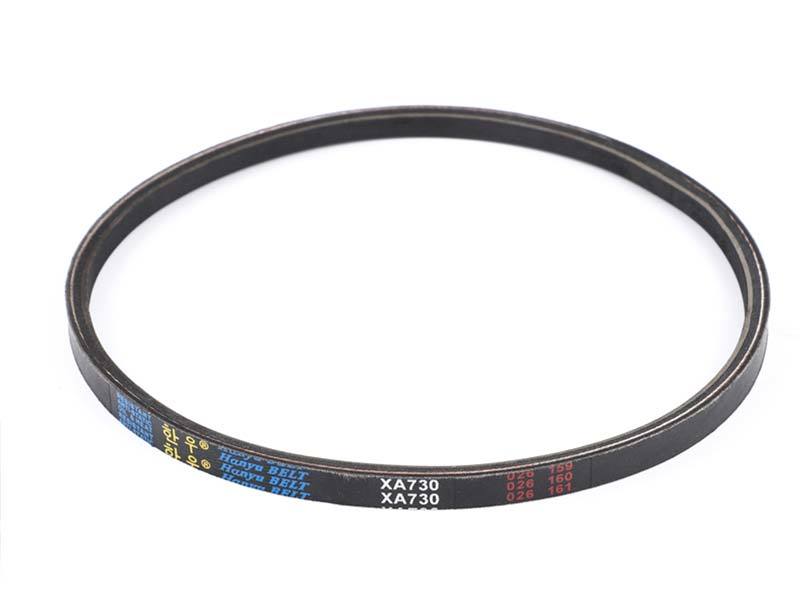
In the realm of industrial equipment and components, the Cutting Flat Belt XA plays a crucial role in various applications, particularly in power transmission and material handling systems. This type of belt is designed for efficiency and durability, making it a popular choice in many industrial environments.
A Cutting Flat Belt XA is characterized by its flat surface, which allows for a larger contact area with the pulleys or rollers it operates against. This design not only ensures effective power transfer but also minimizes slippage, leading to improved performance in applications requiring precision and reliability. These belts are often crafted from high-quality materials, which contribute to their longevity and resistance to wear, making them suitable for demanding tasks in various industries.
When selecting a Cutting Flat Belt XA, several factors must be considered to ensure optimal performance. Firstly, understanding the operational environment is vital. Belts may be exposed to extreme temperatures, moisture, chemicals, or dust, all of which can affect their integrity and function. Selecting a belt that can withstand these conditions is crucial for maintaining system efficiency.
Moreover, the width and thickness of the belt must align with the specific requirements of the machinery it will be used with. A well-fitted belt not only enhances the performance of the equipment but also reduces the risk of premature wear or failure. It’s also essential to consider the load capacity of the belt; underestimating the requirements can lead to operational challenges and increased maintenance costs.
Maintenance is another critical aspect of ensuring the longevity and efficiency of Cutting Flat Belt XA. Regular inspection for signs of wear, such as fraying or cracking, can prevent unexpected downtimes. Additionally, proper tensioning is vital; both too much and too little tension can affect the belt's performance and lifespan. Ensuring that the belt is clean and free of debris also helps maintain its function.
In conclusion, the Cutting Flat Belt XA is an indispensable component in the industrial sector, contributing to the efficient operation of various machinery. By understanding the essential characteristics, selection criteria, and maintenance practices associated with these belts, professionals can make informed decisions that enhance productivity and reduce operational costs. Emphasizing the significance of proper care and selection ensures that the Cutting Flat Belt XA meets the demands of increasingly complex industrial applications, ultimately supporting the growth and efficiency of businesses in this competitive landscape.
A Cutting Flat Belt XA is characterized by its flat surface, which allows for a larger contact area with the pulleys or rollers it operates against. This design not only ensures effective power transfer but also minimizes slippage, leading to improved performance in applications requiring precision and reliability. These belts are often crafted from high-quality materials, which contribute to their longevity and resistance to wear, making them suitable for demanding tasks in various industries.
When selecting a Cutting Flat Belt XA, several factors must be considered to ensure optimal performance. Firstly, understanding the operational environment is vital. Belts may be exposed to extreme temperatures, moisture, chemicals, or dust, all of which can affect their integrity and function. Selecting a belt that can withstand these conditions is crucial for maintaining system efficiency.
Moreover, the width and thickness of the belt must align with the specific requirements of the machinery it will be used with. A well-fitted belt not only enhances the performance of the equipment but also reduces the risk of premature wear or failure. It’s also essential to consider the load capacity of the belt; underestimating the requirements can lead to operational challenges and increased maintenance costs.
Maintenance is another critical aspect of ensuring the longevity and efficiency of Cutting Flat Belt XA. Regular inspection for signs of wear, such as fraying or cracking, can prevent unexpected downtimes. Additionally, proper tensioning is vital; both too much and too little tension can affect the belt's performance and lifespan. Ensuring that the belt is clean and free of debris also helps maintain its function.
In conclusion, the Cutting Flat Belt XA is an indispensable component in the industrial sector, contributing to the efficient operation of various machinery. By understanding the essential characteristics, selection criteria, and maintenance practices associated with these belts, professionals can make informed decisions that enhance productivity and reduce operational costs. Emphasizing the significance of proper care and selection ensures that the Cutting Flat Belt XA meets the demands of increasingly complex industrial applications, ultimately supporting the growth and efficiency of businesses in this competitive landscape.
TAG:
Contact Us
E-mail:
hy-1@hanyubelt.com
Manager Peng:
+8613758603868
Lina:
+8618989621567
Address:
No.109 -2, Kaiyuan Street, Zhu'ao Town, Sanmen County, Zhejiang Province
No.109 -2, Kaiyuan Street, Zhu'ao Town, Sanmen County, Zhejiang Province
ONLINE MESSAGE
Business License