


Assessing the Impact of PK Belts on Overall Machine Health: A Comprehensive Guide
2026-04-09
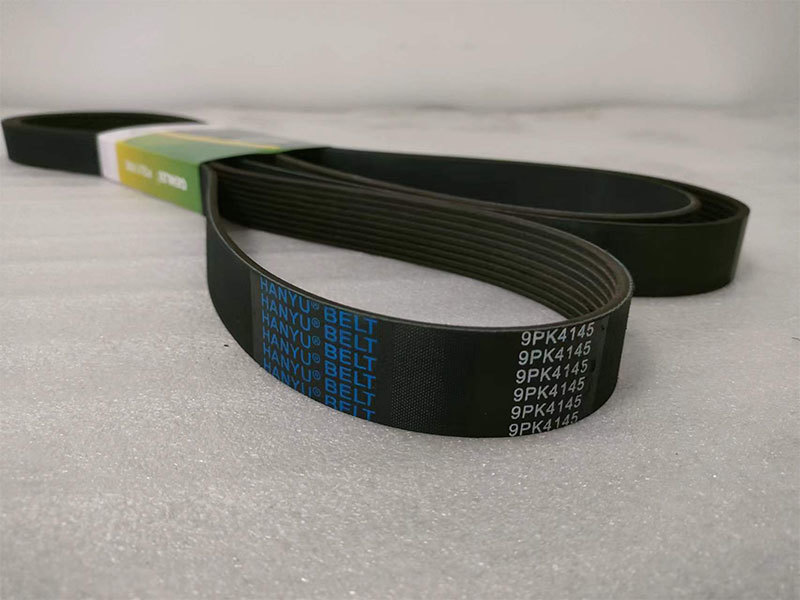
Assessing the Impact of PK Belts on Overall Machine Health
Introduction to PK Belts and Machine Health
In the realm of industrial machinery, efficiency and reliability are paramount. One of the key components that contribute to this efficiency is the **PK belt**. These belts are widely used in various applications, including conveyors, agricultural machinery, and manufacturing equipment. Understanding the impact of PK belts on machine health is essential for maintaining optimal performance and longevity.
What Are PK Belts?
PK belts, also known as **polyurethane keystone belts**, are designed for high-performance applications. They are typically constructed from durable materials that offer excellent wear resistance and flexibility. The unique design of PK belts enables them to transmit power effectively while minimizing slippage, which is crucial for maintaining machine efficiency.
Key Features of PK Belts
- **High Load Capacity**: PK belts can handle heavy loads without stretching or deforming.
- **Durability**: Made from robust materials, these belts resist wear and tear, prolonging their lifespan.
- **Flexibility**: Their design allows for bending around pulleys, ensuring smooth operation.
- **Low Noise Levels**: PK belts operate quietly, reducing noise pollution in industrial environments.
The Role of PK Belts in Machine Performance
The performance of industrial machinery heavily relies on the components used, particularly the belts. PK belts play a critical role in ensuring machines operate smoothly and efficiently. Here are several ways in which PK belts impact overall machine health:
1. Enhanced Power Transmission
PK belts are designed to provide efficient power transmission, which is vital for maintaining the performance of machinery. Their unique construction allows them to engage with pulleys effectively, minimizing energy loss and optimizing the machine's output.
2. Reduced Vibration and Noise
Excessive vibration and noise can lead to operational inefficiencies and potential mechanical failures. PK belts help to dampen vibrations, contributing to a quieter working environment and reducing wear on other machine components.
3. Improved Temperature Management
Many industrial applications require the machinery to operate under high temperatures. PK belts are engineered to withstand heat better than traditional belts, preventing degradation and ensuring consistent performance even in demanding conditions.
4. Lower Maintenance Costs
Investing in quality PK belts can significantly reduce maintenance costs. Their durability means less frequent replacements, and their reliable performance minimizes the risk of breakdowns, leading to decreased downtime and maintenance efforts.
Choosing the Right PK Belts for Your Application
Selecting the right PK belt for specific applications is crucial for maximizing machine health. Here are some factors to consider:
1. Application Type
Different machines require different belt specifications. Understanding the specific needs of your machinery will guide you in selecting the most suitable PK belt.
2. Load Requirements
Assess the load capacity needed for your application. Choosing a PK belt with an appropriate load rating ensures that it can handle the demands placed on it without failure.
3. Operating Environment
Consider the environmental conditions where the machinery operates. Factors such as temperature, humidity, and exposure to chemicals can affect belt performance and longevity.
4. Compatibility with Existing Components
Ensure that the PK belts you choose are compatible with the pulleys and other components of your machinery. This compatibility is essential for optimal performance.
Maintaining PK Belts for Longevity
Proper maintenance of PK belts is essential for ensuring their longevity and effectiveness. Here are some best practices for maintaining PK belts in industrial applications:
1. Regular Inspections
Conduct regular inspections of PK belts to identify signs of wear or damage. Early detection allows for timely replacements, minimizing the risk of machine failure.
2. Proper Tensioning
Ensure that PK belts are properly tensioned. Incorrect tension can lead to slippage, reduced efficiency, and premature wear.
3. Clean Operating Environment
Keep the area around machinery clean to prevent debris from interfering with belt operation. Contaminants can cause excessive wear and reduce the effectiveness of the belts.
4. Follow Manufacturer Guidelines
Always adhere to the manufacturer's recommendations for installation and maintenance. These guidelines provide critical information for ensuring optimal performance.
The Economic Impact of PK Belts on Industrial Operations
Investing in high-quality PK belts can have a significant economic impact on industrial operations. Here are several ways in which PK belts contribute to cost savings:
1. Increased Efficiency
The efficient power transmission provided by PK belts leads to improved overall machine efficiency. This efficiency translates to lower energy consumption and reduced operating costs.
2. Reduced Downtime
With their durability and reliability, PK belts minimize the risk of breakdowns and unplanned maintenance. Reducing downtime results in increased productivity and profitability.
3. Extended Equipment Lifespan
Quality PK belts contribute to the overall health of machinery. By preventing excessive wear on other components, they help extend the lifespan of the equipment, resulting in lower replacement costs.
4. Enhanced Safety Measures
Reliable belts reduce the risk of mechanical failures that can pose safety hazards in the workplace. Ensuring machinery operates smoothly contributes to a safer working environment.
Common Issues and Solutions with PK Belts
While PK belts are designed for high performance, they can still encounter issues. Understanding these issues and implementing appropriate solutions is key to maintaining machine health.
1. Slippage
**Solution**: Ensure proper tensioning and alignment of the belt and pulleys. Regularly inspect for wear and replace belts as necessary.
2. Wear and Tear
**Solution**: Conduct regular inspections to identify early signs of wear. Replace belts that show significant signs of deterioration to prevent failures.
3. Misalignment
**Solution**: Regularly check the alignment of pulleys and belts. Misalignment can cause uneven wear and efficiency loss.
Frequently Asked Questions (FAQs)
1. What are PK belts used for?
PK belts are commonly used in various industrial applications, including conveyors, agricultural machinery, and manufacturing equipment, due to their efficiency in power transmission.
2. How do I know if my PK belt needs replacing?
Signs of wear such as cracks, fraying, or significant surface wear indicate that a PK belt may need to be replaced. Regular inspections can help identify these signs early.
3. Can PK belts be used in high-temperature environments?
Yes, PK belts are designed to withstand high temperatures, making them suitable for applications where heat resistance is necessary.
4. How often should I inspect my PK belts?
It is recommended to inspect PK belts regularly, ideally during routine maintenance checks, to ensure their integrity and performance.
5. What factors should I consider when selecting a PK belt?
Consider the application type, load requirements, operating environment, and compatibility with existing components when selecting a PK belt.
Conclusion
The impact of PK belts on overall machine health cannot be overstated. By enhancing power transmission, reducing noise, and minimizing maintenance costs, PK belts play a vital role in ensuring the efficiency and longevity of industrial machinery. Careful selection and proactive maintenance of these belts lead to improved operational performance and can significantly contribute to the economic success of industrial operations. Investing in high-quality PK belts is a strategic decision that pays dividends in productivity, safety, and cost efficiency.
TAG:
Contact Us
E-mail:
hy-1@hanyubelt.com
Manager Peng:
+8613758603868
Lina:
+8618989621567
Address:
No.109 -2, Kaiyuan Street, Zhu'ao Town, Sanmen County, Zhejiang Province
No.109 -2, Kaiyuan Street, Zhu'ao Town, Sanmen County, Zhejiang Province
ONLINE MESSAGE
Business License