


Essential Safety Protocols for Working with PK Belts in Industrial Settings
2025-12-29
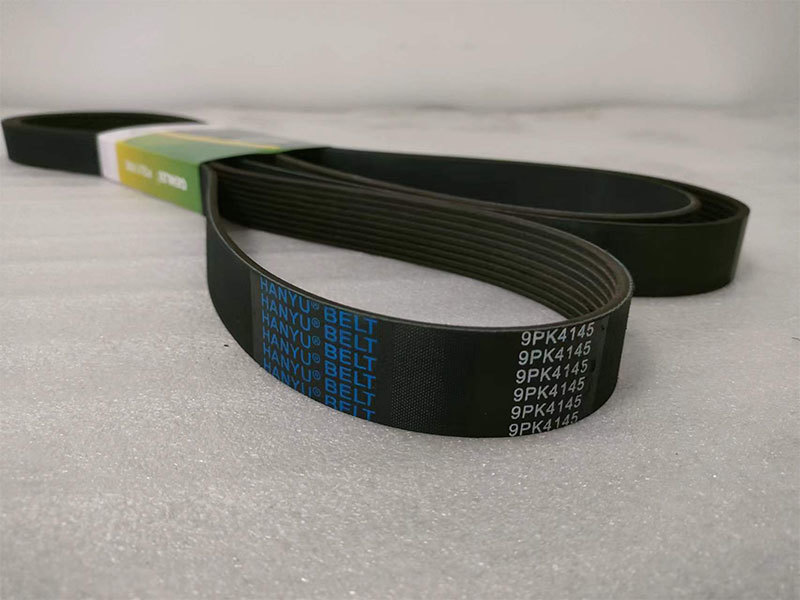
Essential Safety Protocols for Working with PK Belts in Industrial Settings
Table of Contents
- 1. Introduction to PK Belts
- 2. Understanding PK Belts: Types and Applications
- 3. Identifying Hazards Associated with PK Belts
- 4. Comprehensive Safety Protocols for Handling PK Belts
- 5. Maintenance and Inspection of PK Belts
- 6. Training Workers on PK Belt Safety
- 7. Emergency Procedures and Response Plans
- 8. Conclusion: Ensuring a Safe Working Environment
- 9. Frequently Asked Questions (FAQs)
1. Introduction to PK Belts
PK belts, a crucial component in numerous industrial applications, are used for power transmission in machinery. Understanding the safety protocols for working with these belts is essential for maintaining a secure workplace environment. With the potential risks involved in handling PK belts, adhering to safety measures is not only a regulatory requirement but also a moral obligation to protect workers.
2. Understanding PK Belts: Types and Applications
PK belts, also known as poly-vee belts, are designed for high-performance applications. They are characterized by their unique shape, which allows for better grip and reduced slippage in various machinery.
Types of PK Belts
PK belts come in various types, including:
- **PK Section Belts**: These are standard belts used in most machinery.
- **PK A and B Belts**: Designed for specific transmission requirements, these belts offer higher load capacities.
- **Custom PK Belts**: Tailored for unique applications, these belts meet specific industrial needs.
Applications of PK Belts
PK belts are widely used in:
- **Conveyor Systems**: Ensuring the smooth operation of product transport.
- **Machine Drive Systems**: Powering machinery in manufacturing and assembly lines.
- **Automotive Applications**: Used in various automotive components such as alternators and water pumps.
3. Identifying Hazards Associated with PK Belts
Working with PK belts presents several hazards that must be identified and addressed. Common risks include:
Mechanical Hazards
- **Entanglement**: Loose clothing or hair can get caught in moving machinery.
- **Pinch Points**: Areas where parts of the belt or machinery can crush or pinch fingers.
Electrical Hazards
- **Electrical Shock**: Improper handling of electrically powered machinery can result in shock risks.
Ergonomic Hazards
- **Repetitive Motion Injuries**: Frequent handling of heavy belts can lead to strain injuries.
4. Comprehensive Safety Protocols for Handling PK Belts
Implementing robust safety protocols is essential to minimize risks when working with PK belts. Here are key measures to follow:
Personal Protective Equipment (PPE)
Ensure that all workers wear appropriate PPE, including:
- **Safety Glasses**: Protect eyes from debris.
- **Gloves**: Reduce the risk of cuts and abrasions.
- **Hard Hats**: Guard against head injuries in areas where overhead hazards exist.
- **Steel-Toed Boots**: Protect feet from heavy objects.
Control Measures
- **Guarding Machinery**: Install guards around moving parts to prevent accidental contact.
- **Emergency Stop Buttons**: Ensure that machinery has easily accessible emergency stops.
Safe Work Procedures
- **Lockout/Tagout (LOTO)**: Before performing maintenance, ensure machines are de-energized and locked out.
- **Proper Handling Techniques**: Train workers to lift and maneuver PK belts safely to avoid injuries.
5. Maintenance and Inspection of PK Belts
Regular maintenance of PK belts is vital for safety and longevity. Follow these steps:
Routine Inspections
Conduct inspections at set intervals to identify wear and damage:
- **Check for Cracks or Wear**: Look for signs of deterioration that could lead to failure.
- **Tension Settings**: Ensure belts are properly tensioned to prevent slippage or breakage.
Replacement Protocols
Establish clear guidelines for when to replace PK belts, including:
- **Visible Damage**: Replace belts showing any significant wear.
- **Performance Issues**: If machinery performance declines, inspect and replace belts as needed.
6. Training Workers on PK Belt Safety
Training is a crucial component of workplace safety. A comprehensive training program should include:
Understanding Risks
Educate workers about the potential hazards associated with PK belts, including both mechanical and ergonomic risks.
Proper Use of Equipment
Train workers on:
- **How to Install and Replace Belts**: Emphasize safe techniques to avoid injuries.
- **Emergency Procedures**: Ensure workers know how to respond in case of an incident.
7. Emergency Procedures and Response Plans
Establishing clear emergency procedures can save lives in the event of an accident. Ensure that all employees are familiar with these procedures.
Emergency Contacts
Provide a list of emergency contacts readily accessible in the workplace. This should include:
- **First Aid Responders**: Identify individuals trained in first aid.
- **Emergency Services**: Include local fire and medical response numbers.
Incident Reporting Procedures
Implement a standardized process for reporting accidents and near-misses to improve workplace safety over time.
8. Conclusion: Ensuring a Safe Working Environment
Prioritizing safety protocols when working with PK belts is essential for protecting workers and ensuring operational efficiency. By understanding the types of PK belts, identifying associated hazards, and adhering to comprehensive safety measures, businesses can foster a culture of safety. Continuous training and maintenance will further enhance safety, ensuring a secure workplace for everyone involved.
9. Frequently Asked Questions (FAQs)
What are PK belts used for?
PK belts are primarily used for power transmission in various machinery applications, including conveyor systems and automotive components.
What safety gear should I wear when working with PK belts?
Personal protective equipment (PPE) such as safety glasses, gloves, hard hats, and steel-toed boots is recommended when working with PK belts.
How can I identify wear and tear on PK belts?
Inspect PK belts for visible cracks, fraying, or other signs of deterioration. Regular inspections help catch potential issues early.
What is the importance of lockout/tagout (LOTO) procedures?
LOTO procedures are crucial for ensuring that machinery is properly de-energized and secured during maintenance, preventing accidental start-ups.
How often should PK belts be inspected?
Routine inspections should be conducted at regular intervals, depending on usage frequency and environmental conditions. Regular checks help ensure safety and optimal performance.
By following these guidelines and prioritizing safety, organizations can reduce risks associated with working with PK belts and create a safer working environment for their employees.


Contact Us
E-mail:
hy-1@hanyubelt.com
Manager Peng:
+8613758603868
Lina:
+8618989621567
Address:
No.109 -2, Kaiyuan Street, Zhu'ao Town, Sanmen County, Zhejiang Province
No.109 -2, Kaiyuan Street, Zhu'ao Town, Sanmen County, Zhejiang Province
ONLINE MESSAGE