


Rubber Sleeves for Power Transmission Systems – Flexibility, Protection, and Durability Combined
2025-08-22
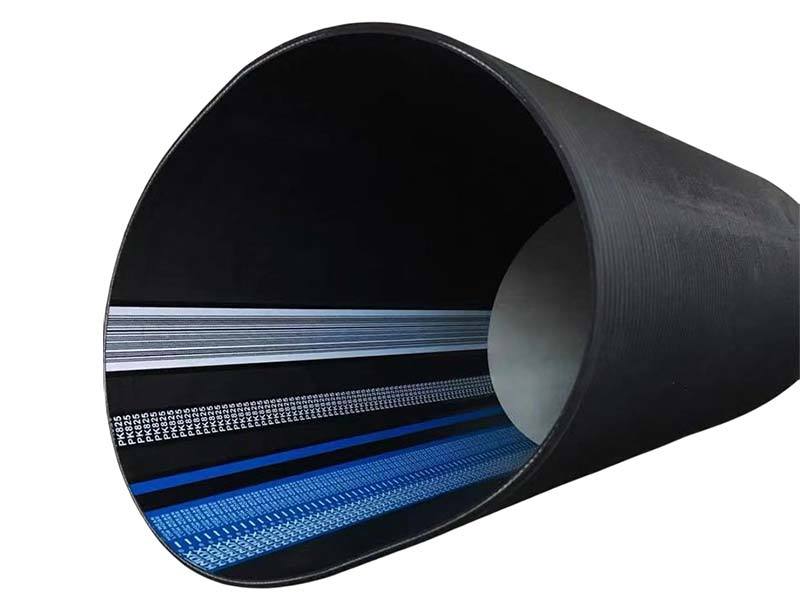
Rubber sleeves for power transmission systems are essential components designed to provide flexibility, protection, and vibration damping in a wide range of mechanical and industrial applications. Acting as protective coverings and coupling elements, they play a crucial role in ensuring smooth torque transmission while reducing wear and extending the service life of machinery.
These sleeves are typically manufactured from high-performance elastomers such as natural rubber, nitrile (NBR), EPDM, or neoprene, each selected according to the specific environmental and operational requirements. The elastic nature of rubber allows the sleeves to absorb shocks, dampen vibrations, and compensate for small misalignments between shafts, thereby improving overall system stability and performance.
One of the key functions of rubber sleeves is torque transmission with flexibility. Unlike rigid couplings, which can transmit stress directly to connected shafts and bearings, rubber sleeves provide a cushioning effect that reduces mechanical stress. This not only enhances the durability of rotating machinery but also minimizes downtime caused by premature wear or failures.
In addition to mechanical performance, rubber sleeves serve as protective barriers. They safeguard shafts, couplings, and transmission parts from dust, dirt, moisture, and chemical exposure. Their resistance to oils, greases, and certain solvents makes them ideal for demanding industrial environments such as power plants, mining equipment, steel mills, manufacturing plants, and marine applications.
Rubber sleeves are also highly valued for their versatility in design. They can be produced in cylindrical, tapered, flanged, or custom-molded shapes to suit specific coupling systems and transmission configurations. This adaptability ensures they can be integrated into a wide variety of power transmission applications, from conveyor systems and pumps to compressors, fans, and heavy-duty drive systems.
Another critical advantage of rubber sleeves is their contribution to noise reduction. By absorbing vibrations and isolating mechanical shocks, they significantly lower operational noise levels, creating a quieter and more comfortable working environment. This is especially important in manufacturing plants and urban installations where noise pollution is a concern.
In terms of durability, modern rubber sleeves are engineered to withstand high loads, continuous operation, and temperature fluctuations. Specialized rubber compounds can endure extreme conditions, ranging from freezing cold to elevated heat, without losing elasticity or cracking. Reinforced designs may incorporate fabric or metal layers to further enhance strength and stability under high torque applications.
From a cost-effectiveness perspective, rubber sleeves are an excellent investment. They extend the lifespan of mechanical systems, reduce maintenance frequency, and lower the risk of unexpected failures. Their simple installation and replacement further reduce downtime, making them a practical choice for industries seeking efficiency and reliability.
In conclusion, rubber sleeves for power transmission systems are not just simple components—they are engineered solutions that combine flexibility, durability, and protection. By reducing vibration, preventing wear, and protecting mechanical parts, they ensure smoother, safer, and more efficient operation of industrial machinery. Whether in heavy-duty drive systems or precision equipment, rubber sleeves deliver dependable performance that keeps industries moving forward.
Previous:
Contact Us
E-mail:
hy-1@hanyubelt.com
Manager Peng:
+8613758603868
Lina:
+8618989621567
Address:
No.109 -2, Kaiyuan Street, Zhu'ao Town, Sanmen County, Zhejiang Province
No.109 -2, Kaiyuan Street, Zhu'ao Town, Sanmen County, Zhejiang Province
ONLINE MESSAGE