


How Pk Belts Adapt to Evolving Industrial Needs: A Comprehensive Guide
2026-09-10
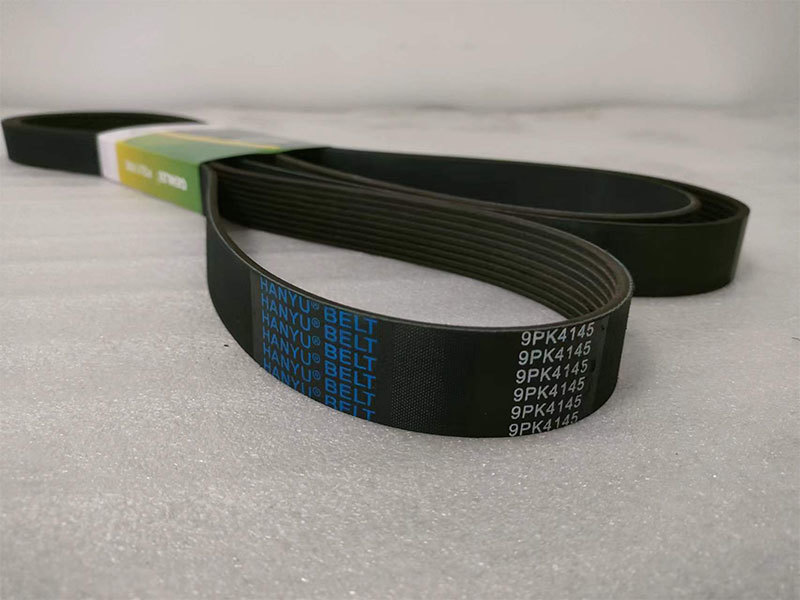
How Pk Belts Adapt to Evolving Industrial Needs
Table of Contents
- Introduction to Pk Belts
- Understanding Pk Belts and Their Importance
- The Evolution of Industrial Needs
- Key Features of Pk Belts that Meet Industrial Demands
- Material Innovations in Pk Belts
- Technological Advancements in Pk Belt Design
- Applications of Pk Belts Across Industries
- Future Trends in Pk Belts
- Frequently Asked Questions
- Conclusion
Introduction to Pk Belts
In today’s fast-paced industrial landscape, the demand for reliable and efficient belt solutions has never been greater. **Pk belts**, known for their versatility and durability, have emerged as a critical component in various industrial applications. As industries evolve, so do the needs for mechanical power transmission. Therefore, **understanding how Pk belts adapt to these changes** is essential for manufacturers and operators alike.
Understanding Pk Belts and Their Importance
Pk belts are a type of industrial belt primarily used for power transmission and material handling. They are characterized by a unique design that allows them to operate effectively under varying loads and conditions. The importance of Pk belts in industrial settings cannot be overstated, as they contribute significantly to efficiency, productivity, and operational reliability.
Characteristics of Pk Belts
Pk belts boast several distinctive characteristics, including:
- **High tensile strength**: Ensures durability and longevity even in demanding environments.
- **Flexibility**: Allows for smooth operation in tight spaces and complex machinery configurations.
- **Resistance to wear and tear**: Protects against premature failure and reduces maintenance costs.
The Evolution of Industrial Needs
As industries grow and diversify, their operational requirements change. The evolution of technology and manufacturing processes has led to increased demands for efficiency, better performance, and sustainability.
From Conventional to Advanced Technologies
The shift from conventional mechanical systems to advanced technologies, such as automation and robotics, has necessitated a change in how industrial belts are designed and manufactured. Pk belts have risen to meet these challenges, incorporating features that address the specific needs of modern machinery.
Sector-Specific Requirements
Different sectors, including manufacturing, food processing, and mining, have unique requirements that Pk belts must accommodate. For example:
- **Food Processing**: Hygiene and sanitation are paramount, necessitating belts that are easy to clean and resistant to contaminants.
- **Mining**: Durability and strength are crucial due to the harsh conditions present in mining environments.
Key Features of Pk Belts that Meet Industrial Demands
To adapt effectively to evolving industrial needs, Pk belts incorporate several key features designed to enhance performance and reliability.
Customizability
Pk belts can be tailored to meet specific application requirements. This includes variations in length, width, and material composition, allowing for a perfect fit in any machinery.
Reduced Noise Levels
Advanced Pk belt designs are engineered to minimize noise during operation, thereby contributing to a safer and more comfortable working environment.
Energy Efficiency
Modern Pk belts are designed to reduce energy consumption, which is increasingly vital as industries strive to lower operational costs and minimize their carbon footprint.
Material Innovations in Pk Belts
The materials used in the manufacturing of Pk belts play a crucial role in their adaptability and performance.
High-Performance Polymers
Recent advancements in polymer technology have led to the creation of belts that are lighter yet stronger. These materials enhance the overall efficiency of the belt while reducing the load on machinery.
Composite Materials
The use of composite materials allows for a combination of properties, such as flexibility, strength, and chemical resistance, making Pk belts more versatile across various applications.
Technological Advancements in Pk Belt Design
Technological innovations continue to shape the landscape of industrial belts, enabling Pk belts to evolve in line with industry demands.
Smart Technology Integration
The integration of smart technologies, such as sensors and IoT connectivity, allows Pk belts to monitor performance in real-time. This capability aids in predictive maintenance, reducing downtime and improving overall productivity.
Advanced Manufacturing Techniques
Modern manufacturing techniques, including 3D printing and precision molding, enhance the accuracy and quality of Pk belts. This results in products that are not only more reliable but also cost-effective.
Applications of Pk Belts Across Industries
Pk belts are utilized in a wide range of industries, underscoring their versatility and effectiveness.
Manufacturing and Automation
In manufacturing, Pk belts are essential for conveyor systems, enhancing the efficiency of material handling processes. Their adaptability makes them ideal for integration into automated systems.
Food and Beverage Industry
In the food and beverage sector, Pk belts are employed in packaging and processing lines, where hygiene and reliability are critical. Their ability to withstand cleaning processes without degrading is a significant advantage.
Mining and Heavy Industry
Heavy-duty Pk belts are commonly used in mining operations, where they must endure extreme conditions, such as high loads and abrasive materials. Their strength and durability make them the preferred choice for this sector.
Future Trends in Pk Belts
Looking ahead, the future of Pk belts seems promising as industries continue to embrace innovations.
Sustainability Initiatives
As environmental concerns mount, the demand for sustainable belt solutions is growing. Future Pk belts will likely focus on recyclable materials and more energy-efficient manufacturing processes.
Customization and Personalization
The trend towards customization in manufacturing will extend to Pk belts, with increased emphasis on personalized solutions tailored to specific industrial applications.
Frequently Asked Questions
1. What are Pk belts primarily used for?
Pk belts are primarily used for power transmission and material handling in various industrial applications.
2. How do Pk belts differ from traditional belts?
Pk belts offer enhanced flexibility, durability, and customizability, making them suitable for a wider range of applications compared to traditional belts.
3. Can Pk belts be used in harsh environments?
Yes, Pk belts are designed to withstand harsh conditions, making them ideal for industries like mining and heavy manufacturing.
4. What materials are commonly used in Pk belts?
Pk belts are commonly made from high-performance polymers and composite materials, providing strength and flexibility.
5. How does technology impact the performance of Pk belts?
The integration of smart technologies allows for real-time monitoring and improved maintenance practices, enhancing the overall performance and reliability of Pk belts.
Conclusion
Pk belts have proven to be a vital component in the evolution of industrial applications, adapting to the changing needs of various sectors. Their innovative features, advanced materials, and technological integration enable them to meet the demands of modern industry effectively. As we move towards a more sustainable and automated future, Pk belts will continue to play a pivotal role in enhancing operational efficiency and driving productivity across diverse industrial landscapes.
TAG:
Contact Us
E-mail:
hy-1@hanyubelt.com
Manager Peng:
+8613758603868
Lina:
+8618989621567
Address:
No.109 -2, Kaiyuan Street, Zhu'ao Town, Sanmen County, Zhejiang Province
No.109 -2, Kaiyuan Street, Zhu'ao Town, Sanmen County, Zhejiang Province
ONLINE MESSAGE
Business License