


Unleashing Efficiency: The Synergy Between PK Belts and Other Industrial Components
2026-05-29
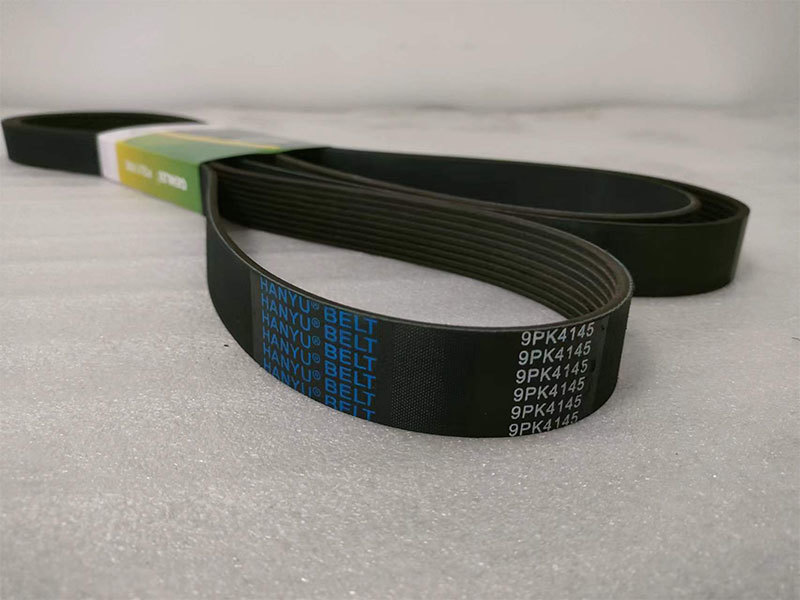
Introduction to PK Belts and Industrial Components
In the ever-evolving landscape of industrial machinery, **PK belts** play a critical role in ensuring efficient power transmission. These belts, characterized by their unique design and material composition, work seamlessly with various industrial components to maximize productivity. Understanding the **synergy between PK belts and other industrial components** can be transformative for businesses looking to enhance operational efficacy.
What Are PK Belts?
PK belts, often referred to as poly v-belts or serpentine belts, are designed to transmit power between rotating shafts in machinery. Their compact design allows for tighter bends and improved performance over traditional V-belts. PK belts are typically made from high-quality rubber and reinforced with fibers, providing superior flexibility and strength.
Key Features of PK Belts
1. **Enhanced Flexibility**: Their narrow profile allows for sharper bends, facilitating more compact designs in machinery.
2. **High Load Capacity**: PK belts can handle significant loads, making them suitable for various applications.
3. **Reduced Slip**: The unique design minimizes slippage, ensuring consistent power transmission.
4. **Durability**: Constructed from robust materials, PK belts have a longer lifespan compared to standard belts.
The Role of Industrial Components in Machinery
Industrial components such as pulleys, gears, bearings, and motors work in tandem with PK belts to ensure optimal functionality. Each component is designed to perform specific tasks, and their integration is paramount for overall machinery performance.
Understanding Key Industrial Components
- **Pulleys**: These are essential for changing the direction of power transmission. The right pulley design can optimize the efficiency of PK belts.
- **Gears**: Gears facilitate the conversion of motion and torque, playing a vital role in the overall machinery operation.
- **Bearings**: Bearings support rotating components, reducing friction and wear, thus enhancing the lifespan of belts and other parts.
- **Motors**: Motors provide the necessary power for operation. The compatibility between motors and belts is crucial for seamless functionality.
How PK Belts Work with Other Industrial Components
The interaction between PK belts and other industrial components is complex but fascinating. This synergy not only improves performance but also reduces maintenance costs and downtime.
Power Transmission Efficiency
PK belts are designed to work with pulleys and motors for optimal power transmission. When PK belts are correctly aligned with these components, they ensure minimal energy loss, resulting in improved efficiency. This is particularly evident in machinery that requires precise speed and torque control.
Case Study: Conveyor Systems
In conveyor systems, the integration of PK belts with pulleys allows for smooth movement of materials. Proper selection of belt tension and alignment can reduce wear and prolong the life of both the belt and the pulleys, demonstrating the importance of synergy in design.
Advantages of Synergy Between PK Belts and Industrial Components
The collaboration of PK belts with industrial components introduces numerous advantages, setting the stage for enhanced efficiency and productivity.
Reduced Downtime
When PK belts and components are harmoniously integrated, machinery experiences fewer breakdowns. This integration minimizes the risk of component failure, allowing for smoother operations and reduced unplanned downtime.
Cost-Effectiveness
While the initial investment in high-quality PK belts and compatible components may be higher, the long-term savings from reduced maintenance and downtime are substantial. The durability of PK belts leads to fewer replacements, further enhancing cost-effectiveness.
Improved Performance and Reliability
Synergy ensures that each component operates within its optimal range, leading to improved performance. For example, when PK belts are paired with appropriately sized pulleys, the system can efficiently transmit power without excessive strain, enhancing reliability.
Choosing the Right PK Belt for Your Application
Selecting the ideal PK belt involves understanding your specific application requirements and how they align with the characteristics of the belt.
Factors to Consider
- **Load requirements**: Understand the maximum load that the belt will need to handle.
- **Operating speed**: Determine the speed at which the machinery operates to select a belt that can withstand the demands.
- **Environmental conditions**: Consider exposure to temperature changes, moisture, and chemicals that could affect belt performance.
Working with Suppliers
Collaborating with experienced suppliers can provide valuable insights into the selection of PK belts and compatible components. They can offer recommendations based on industry best practices and specific application needs.
Maintenance Practices for Optimal Performance
To maximize the lifespan and efficiency of PK belts and their associated components, regular maintenance is critical.
Routine Inspections
Conducting routine inspections to check for wear, misalignment, and proper tension can prevent potential issues before they escalate. Look for signs of fraying or cracking in the belts and ensure that all components are functioning as intended.
Keeping Components Clean
Dirt and debris can significantly reduce the efficiency of the belt and its components. Ensure that all parts are kept clean and free from obstructions to maintain peak performance.
Industry Applications of PK Belts
PK belts find applications across various industries, each benefiting significantly from their unique properties and synergy with other components.
Manufacturing
In manufacturing, PK belts are used in conveyor systems, automated machinery, and assembly lines. Their ability to handle high loads and operate with minimal slip contributes to the efficiency of manufacturing processes.
Agriculture
In agricultural equipment, PK belts are utilized in harvesting machines, tractors, and irrigation systems. Their reliability ensures that operations run smoothly, which is crucial during peak seasons.
Automotive
In the automotive industry, PK belts are critical in engine systems for power transmission. Their compact design allows for efficient space utilization, essential for modern vehicles.
Future Trends in PK Belts and Industrial Components
As technological advancements continue to evolve, the future of PK belts and their synergy with industrial components looks promising.
Innovations in Material Science
Research into advanced materials could lead to the development of even more durable and flexible PK belts. These innovations may enhance longevity and performance, further optimizing machinery efficiency.
Smart Technology Integration
The integration of smart technology into industrial systems can provide real-time data on the performance of PK belts and their components. This data can help in predictive maintenance, reducing downtime and enhancing operational efficiency.
FAQs
1. What are the main advantages of using PK belts?
PK belts offer enhanced flexibility, high load capacity, reduced slip, and durability, making them suitable for various industrial applications.
2. How do I select the right PK belt for my machinery?
Consider factors such as load requirements, operating speed, and environmental conditions when selecting a PK belt for your application.
3. What maintenance practices are essential for PK belts?
Routine inspections, keeping components clean, and ensuring proper alignment and tension are critical for maintaining PK belts.
4. In which industries are PK belts commonly used?
PK belts are widely used in manufacturing, agriculture, and automotive industries, among others.
5. How does the synergy between PK belts and industrial components improve efficiency?
The collaboration ensures optimal power transmission, reduces wear and tear on components, and minimizes downtime, enhancing overall machinery performance.
Conclusion
The synergy between PK belts and other industrial components is crucial for optimizing machinery efficiency. By understanding the unique features of PK belts and their interaction with essential components, businesses can make informed decisions that enhance performance and reduce costs. With proper selection, maintenance, and integration of these elements, companies can unlock significant productivity improvements and maintain a competitive edge in their respective industries. Embracing this synergy is not just about improving machinery but about paving the way for a more efficient and sustainable industrial future.
TAG:
Contact Us
E-mail:
hy-1@hanyubelt.com
Manager Peng:
+8613758603868
Lina:
+8618989621567
Address:
No.109 -2, Kaiyuan Street, Zhu'ao Town, Sanmen County, Zhejiang Province
No.109 -2, Kaiyuan Street, Zhu'ao Town, Sanmen County, Zhejiang Province
ONLINE MESSAGE
Business License