


Innovative Uses of Rubber Sleeves Across Different Industries
2026-05-19
Innovative Uses of Rubber Sleeves Across Different Industries
Rubber sleeves have emerged as essential components in various industries, serving a multitude of purposes that extend beyond mere protection. These versatile products are designed to enhance functionality, increase safety, and improve the longevity of equipment and products. In this comprehensive guide, we delve into the innovative uses of rubber sleeves, examining their applications across different sectors, including manufacturing, automotive, electronics, construction, and healthcare.
Table of Contents
- Introduction to Rubber Sleeves
- Rubber Sleeves in Manufacturing Processes
- The Role of Rubber Sleeves in Automotive Applications
- Innovative Uses in the Electronics Industry
- Rubber Sleeves in Construction: Safety and Durability
- Healthcare Applications of Rubber Sleeves
- Sustainability and Environmental Considerations
- The Future of Rubber Sleeves in Industry
- Frequently Asked Questions
- Conclusion
Introduction to Rubber Sleeves
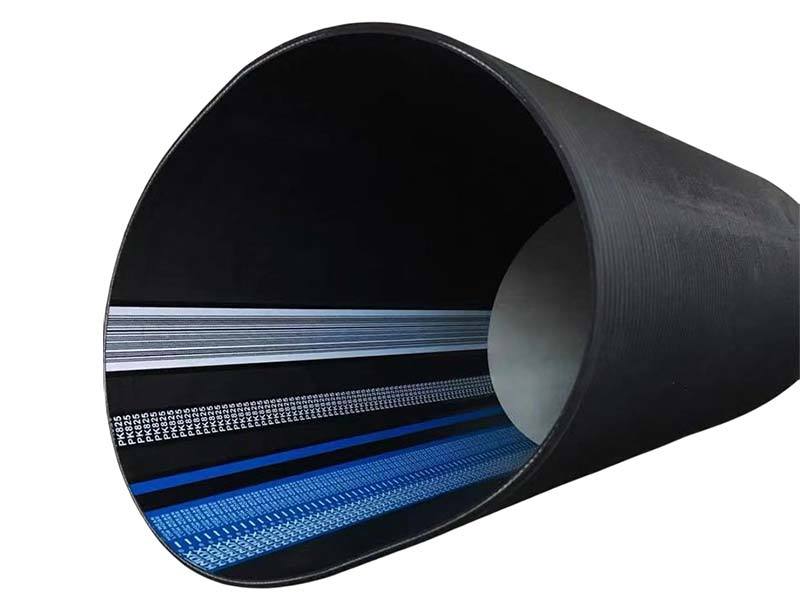
Rubber sleeves are cylindrical casings made from various types of rubber materials, designed to fit over another object for protection or insulation purposes. Their primary function is to safeguard sensitive components from damage due to abrasion, moisture, and temperature fluctuations. The versatility of rubber sleeves allows them to be customized in terms of size, thickness, and material composition, making them suitable for a wide range of industrial applications.
Rubber Sleeves in Manufacturing Processes
The manufacturing sector heavily relies on rubber sleeves for various applications. One of the most notable uses is in the protection of cables and wires. By encasing these electrical components in rubber sleeves, manufacturers can prevent wear and tear, reducing the risk of electrical failures and enhancing the safety of machinery and equipment.
Additionally, rubber sleeves are instrumental in the manufacturing of pneumatic tools. They provide grip and comfort for users, while also acting as shock absorbers. This not only improves user experience but also prolongs the life of the tools themselves. In environments where machinery is subject to vibration and impact, the cushioning effect of rubber sleeves proves invaluable.
Enhancing Operational Efficiency
In the manufacturing process, rubber sleeves play a vital role in maintaining operational efficiency. By reducing friction and wear between moving parts, they minimize downtime caused by equipment failure. This is particularly important in high-speed production environments, where every second counts.
The Role of Rubber Sleeves in Automotive Applications
The automotive industry has long recognized the importance of rubber sleeves. These components are used extensively in various parts of vehicles, from the engine to the suspension system. For instance, rubber sleeves are crucial in protecting wiring harnesses from heat, oil, and other environmental factors, ensuring reliable electrical performance.
Shock Absorption and Vibration Dampening
Rubber sleeves also contribute significantly to vehicle performance by providing shock absorption. They are commonly used in suspension systems to dampen vibrations caused by rough terrains, improving ride quality and enhancing driver comfort. This aspect is especially vital in off-road vehicles, where the terrain can be unpredictable.
Heat Resistance and Durability
Another critical feature of rubber sleeves in automotive applications is their ability to withstand extreme temperatures. High-performance vehicles often generate significant heat, and rubber sleeves help insulate sensitive components, preventing heat-related failures. The durability of rubber materials ensures that these sleeves can maintain their protective qualities over time, even under challenging conditions.
Innovative Uses in the Electronics Industry
The electronics industry has embraced rubber sleeves for their insulating properties and protective capabilities. These sleeves are commonly used to encase wires, connectors, and circuit boards, shielding them from moisture and dust. This is particularly important in consumer electronics, where product reliability is paramount.
Enhanced Safety Features
Rubber sleeves not only protect electronic components but also enhance user safety. By preventing electrical shorts and accidents, they contribute to the overall safety of electronic devices. This is particularly crucial in household appliances, where malfunctioning components can lead to dangerous situations.
Flexible Designs for Custom Applications
Moreover, the flexibility of rubber sleeves allows manufacturers to create custom designs tailored to specific electronic applications. From protective casings for smartphones to insulating layers for high-voltage cables, rubber sleeves provide the ideal solution for diverse needs within the electronics sector.
Rubber Sleeves in Construction: Safety and Durability
In the construction industry, rubber sleeves serve as vital components in ensuring safety and durability. They are frequently used to protect pipes, hoses, and cables from environmental hazards, mechanical wear, and impact damage. By encasing these components in rubber sleeves, construction professionals can extend their lifespan and reduce the likelihood of costly repairs.
Impact Resistance and Longevity
Rubber sleeves are designed to withstand harsh conditions, making them perfect for construction sites. Their impact resistance helps protect critical systems from damage during construction activities, while their durability ensures that they can withstand the rigors of ongoing use.
Improving Worker Safety
Furthermore, rubber sleeves contribute to worker safety by minimizing risks associated with exposed cables and hoses. By covering these components, they reduce the likelihood of accidents and injuries on-site, promoting a safer working environment.
Healthcare Applications of Rubber Sleeves
The healthcare industry has found numerous applications for rubber sleeves, primarily due to their hygiene, flexibility, and protective properties. They are commonly used in medical devices, providing insulation and protection for sensitive electronic components.
Enhanced Sterilization and Safety
In medical applications, rubber sleeves are essential for ensuring sterilization. They can be easily cleaned and disinfected, making them suitable for use in hospitals and clinics. This is especially important in environments where contamination can pose serious health risks.
Custom Solutions for Medical Devices
Moreover, the ability to customize rubber sleeves allows manufacturers to tailor solutions for specific medical devices. Whether it's a protective cover for surgical instruments or insulation for patient monitoring equipment, rubber sleeves play a crucial role in enhancing the functionality and safety of medical technologies.
Sustainability and Environmental Considerations
As industries strive for sustainability, the production and use of rubber sleeves are evolving. Many manufacturers are now sourcing eco-friendly materials and adopting sustainable practices in their production processes. This shift not only addresses environmental concerns but also meets the growing demand for sustainable products.
Recyclability and Lifecycle Management
Rubber sleeves can often be recycled or repurposed, reducing waste in landfills. By investing in lifecycle management strategies, companies can ensure that their rubber products contribute positively to environmental sustainability while still delivering performance and functionality.
The Future of Rubber Sleeves in Industry
As industries continue to innovate, the future of rubber sleeves looks promising. Advances in material science are leading to the development of new rubber formulations that offer enhanced properties such as greater flexibility, improved resistance to chemicals, and longer lifespan.
Smart Rubber Sleeves: Integration of Technology
The integration of technology into rubber sleeves is also on the horizon. Smart rubber sleeves that can monitor environmental conditions, detect wear, and provide alerts for maintenance are likely to revolutionize various applications, from automotive to healthcare.
Frequently Asked Questions
What are the primary benefits of using rubber sleeves?
The primary benefits include protection against abrasion, moisture, and temperature fluctuations, as well as improved safety and durability of components.
In which industries are rubber sleeves commonly used?
Rubber sleeves are widely used in manufacturing, automotive, electronics, construction, and healthcare industries.
Can rubber sleeves be customized for specific applications?
Yes, rubber sleeves can be customized in terms of size, thickness, and material to meet specific application requirements.
Are rubber sleeves environmentally friendly?
Many manufacturers are now using eco-friendly materials and practices in the production of rubber sleeves, enhancing their sustainability.
How do rubber sleeves enhance safety in the workplace?
Rubber sleeves minimize risks associated with exposed wires and hoses, reducing the likelihood of accidents and injuries on job sites.
Conclusion
The innovative uses of rubber sleeves across various industries illustrate their importance as protective and functional components. From manufacturing and automotive applications to healthcare and construction, rubber sleeves enhance safety, durability, and efficiency. As industries evolve and prioritize sustainability, rubber sleeves will continue to adapt, playing a pivotal role in the future of technology and safety. By leveraging the benefits of rubber sleeves, businesses can improve their operational efficiency while embracing innovative solutions that meet modern challenges.
Contact Us
E-mail:
hy-1@hanyubelt.com
Manager Peng:
+8613758603868
Lina:
+8618989621567
Address:
No.109 -2, Kaiyuan Street, Zhu'ao Town, Sanmen County, Zhejiang Province
No.109 -2, Kaiyuan Street, Zhu'ao Town, Sanmen County, Zhejiang Province
ONLINE MESSAGE