


Understanding Double-Sided Toothed Belts: Applications and Benefits in Industrial Settings
2026-03-25
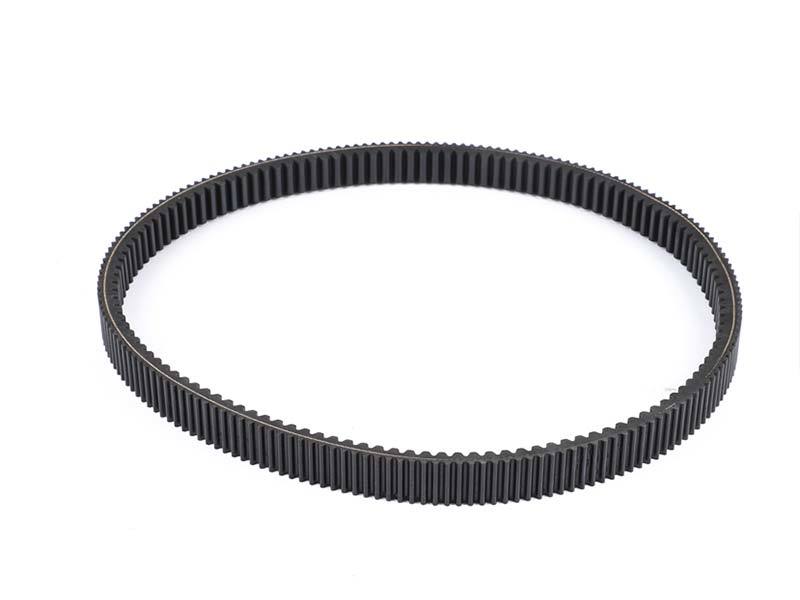
Double-sided toothed belts, also known as synchronous belts, are specially designed components utilized in a wide range of industrial machinery. These belts feature teeth on both sides, enabling them to engage with pulleys or gears from either side. This design offers numerous advantages, making them increasingly popular in various industrial applications.
One of the primary benefits of double-sided toothed belts is their versatility. Unlike single-sided belts, which can only transmit power in one direction, double-sided belts can operate efficiently in both directions. This characteristic is particularly useful in systems where space is limited or where multiple shafts need to be driven simultaneously. For example, they are often found in robotics, conveyor systems, and automated machinery, where precise movement and control are crucial.
Another advantage of double-sided toothed belts is their ability to maintain consistent tension and eliminate slippage. The toothed design ensures a secure grip on the pulleys, allowing for efficient power transmission without the risk of losing traction. This feature not only enhances performance but also prolongs the lifespan of the belt, reducing the need for frequent replacements and maintenance.
In terms of installation and alignment, double-sided toothed belts offer greater flexibility. They can be positioned in a variety of configurations, allowing engineers to design systems that maximize efficiency and minimize wear. Additionally, these belts can be used in conjunction with various pulley designs, making them compatible with existing equipment.
When considering double-sided toothed belts for industrial applications, it is essential to assess factors such as load capacity, speed, and environmental conditions. Selecting the right belt materials and tooth profiles can significantly impact performance. For instance, belts made from high-quality elastomers or reinforced with fibers can withstand harsher conditions, such as extreme temperatures or exposure to chemicals.
Another critical aspect is the installation process. Proper alignment and tensioning are vital to ensure optimal performance and longevity of the belt. Industrial professionals should also be aware of the potential signs of wear, such as fraying or tooth damage, to address issues before they lead to system failures.
In summary, double-sided toothed belts are a practical solution for various industrial applications, offering unique benefits such as versatility, efficiency, and flexibility. By understanding their characteristics and potential uses, professionals can make informed decisions that enhance the performance and reliability of their machinery.
One of the primary benefits of double-sided toothed belts is their versatility. Unlike single-sided belts, which can only transmit power in one direction, double-sided belts can operate efficiently in both directions. This characteristic is particularly useful in systems where space is limited or where multiple shafts need to be driven simultaneously. For example, they are often found in robotics, conveyor systems, and automated machinery, where precise movement and control are crucial.
Another advantage of double-sided toothed belts is their ability to maintain consistent tension and eliminate slippage. The toothed design ensures a secure grip on the pulleys, allowing for efficient power transmission without the risk of losing traction. This feature not only enhances performance but also prolongs the lifespan of the belt, reducing the need for frequent replacements and maintenance.
In terms of installation and alignment, double-sided toothed belts offer greater flexibility. They can be positioned in a variety of configurations, allowing engineers to design systems that maximize efficiency and minimize wear. Additionally, these belts can be used in conjunction with various pulley designs, making them compatible with existing equipment.
When considering double-sided toothed belts for industrial applications, it is essential to assess factors such as load capacity, speed, and environmental conditions. Selecting the right belt materials and tooth profiles can significantly impact performance. For instance, belts made from high-quality elastomers or reinforced with fibers can withstand harsher conditions, such as extreme temperatures or exposure to chemicals.
Another critical aspect is the installation process. Proper alignment and tensioning are vital to ensure optimal performance and longevity of the belt. Industrial professionals should also be aware of the potential signs of wear, such as fraying or tooth damage, to address issues before they lead to system failures.
In summary, double-sided toothed belts are a practical solution for various industrial applications, offering unique benefits such as versatility, efficiency, and flexibility. By understanding their characteristics and potential uses, professionals can make informed decisions that enhance the performance and reliability of their machinery.
TAG:
Contact Us
E-mail:
hy-1@hanyubelt.com
Manager Peng:
+8613758603868
Lina:
+8618989621567
Address:
No.109 -2, Kaiyuan Street, Zhu'ao Town, Sanmen County, Zhejiang Province
No.109 -2, Kaiyuan Street, Zhu'ao Town, Sanmen County, Zhejiang Province
ONLINE MESSAGE
Business License