


Exploring the Versatility of Rubber Sleeves in Industrial Applications
2025-10-28
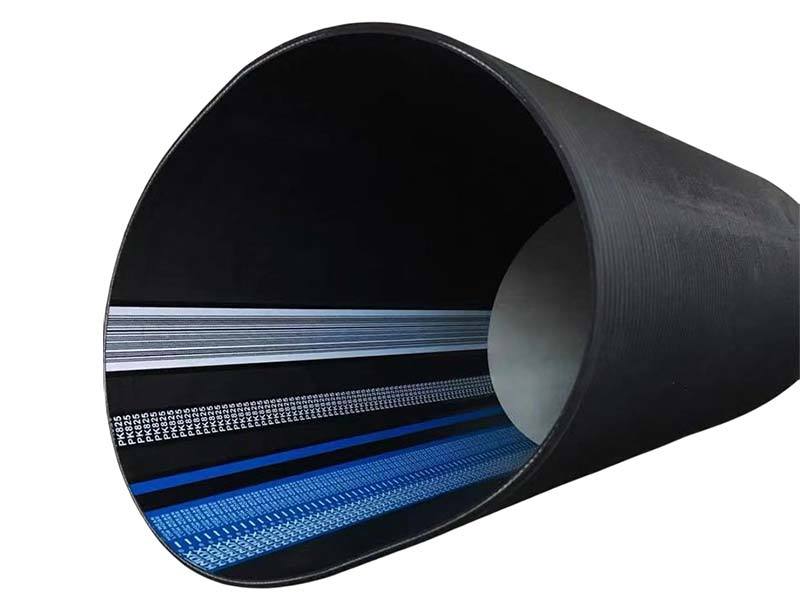
Exploring the Versatility of Rubber Sleeves in Industrial Applications
Rubber sleeves are often overlooked components in various industrial sectors, yet they play a crucial role in enhancing performance, safety, and longevity of equipment. Their versatility enables them to be utilized in a multitude of applications, from protecting machinery to ensuring optimal functionality of products. In this article, we will delve into the different types of rubber sleeves, their applications across various industries, and the future trends in rubber technology.
Table of Contents
- 1. Introduction to Rubber Sleeves
- 2. Types of Rubber Sleeves Used in Industry
- 3. Applications of Rubber Sleeves in Various Industries
- 4. Benefits of Using Rubber Sleeves
- 5. Maintenance and Care for Rubber Sleeves
- 6. The Future of Rubber Technology in Industrial Applications
- 7. Conclusion
- 8. Frequently Asked Questions (FAQs)
1. Introduction to Rubber Sleeves
Rubber sleeves are protective covers made from various types of rubber that serve multiple functions across a wide array of applications. Strong, flexible, and resilient, these sleeves are designed to fit over cables, pipes, and mechanical components to provide insulation, protection, and support. Given their unique properties, rubber sleeves are essential for enhancing the durability and reliability of industrial equipment.
2. Types of Rubber Sleeves Used in Industry
Rubber sleeves come in various formulations, each tailored to meet specific performance requirements. Understanding these types helps in selecting the right sleeve for particular applications.
2.1 Neoprene Rubber Sleeves
Neoprene rubber sleeves are widely appreciated for their excellent resistance to weather, ozone, and UV radiation. They are often used in outdoor environments and applications where exposure to harsh conditions is common. Neoprene’s flexibility and durability make it an ideal choice for cable insulation and protective coatings.
2.2 Silicone Rubber Sleeves
Silicone rubber sleeves are known for their high-temperature resistance, making them suitable for applications involving heat exposure. They maintain their flexibility over a wide temperature range and are often used in automotive and aerospace applications, where performance under extreme conditions is essential.
2.3 Nitrile Rubber Sleeves
Nitrile rubber sleeves are particularly effective in applications involving oil and chemical exposure. Their excellent abrasion resistance and low-temperature flexibility make them the preferred choice in industries such as automotive and manufacturing where contact with oils and fuels is frequent.
3. Applications of Rubber Sleeves in Various Industries
Rubber sleeves find applications in numerous industries, each benefiting from their unique properties.
3.1 Automotive Industry
In the automotive sector, rubber sleeves are essential for protecting wiring harnesses, hoses, and connectors from wear and tear. They help prevent electrical shorts and enhance the longevity of components, ultimately improving vehicle performance and safety.
3.2 Electronics Industry
Rubber sleeves are also critical in the electronics industry. They provide insulation for wires and cables, protecting sensitive components from moisture and dust. Their lightweight and flexible nature allows for easier installation and maintenance of electronic devices.
3.3 Construction Industry
In construction, rubber sleeves are used to protect hoses and cables from heavy machinery and environmental elements. They ensure that critical systems remain operational, even in the toughest conditions, thereby enhancing the safety and efficiency of construction projects.
4. Benefits of Using Rubber Sleeves
The adoption of rubber sleeves in industrial applications offers numerous benefits, which include:
- **Enhanced Protection**: Rubber sleeves shield components from physical damage, chemicals, and environmental factors.
- **Durability**: Made from resilient materials, rubber sleeves can withstand wear and tear, ensuring long-term performance.
- **Flexibility**: Their flexibility allows for easy installation and adaptability to various shapes and sizes.
- **Cost-Effectiveness**: By preventing damage to critical components, rubber sleeves contribute to reduced maintenance and replacement costs.
5. Maintenance and Care for Rubber Sleeves
To maximize the lifespan of rubber sleeves, proper maintenance is necessary. Regular inspections for signs of wear and tear, such as cracks or brittleness, can help identify potential issues early. In environments with extreme temperatures or exposure to chemicals, more frequent checks are advisable. Keeping sleeves clean and free of contaminants enhances their performance and longevity.
6. The Future of Rubber Technology in Industrial Applications
As industries evolve, so does rubber technology. Innovations such as reinforced composites and eco-friendly materials are paving the way for more sustainable and durable rubber solutions. Advancements in manufacturing techniques are also expected to enhance the performance characteristics of rubber sleeves, making them even more versatile and effective across a range of applications.
7. Conclusion
Rubber sleeves are indispensable components in many industrial applications, providing protection, insulation, and performance enhancement. Their versatility across various industries, combined with continuous advancements in rubber technology, ensures that they will remain a crucial element in industrial settings. Understanding their types and applications can lead to more informed decisions, ultimately improving operational efficiency and safety.
8. Frequently Asked Questions (FAQs)
1. What are rubber sleeves made of?
Rubber sleeves are typically made from various types of rubber, including neoprene, silicone, and nitrile, each chosen based on specific application needs.
2. How do I choose the right rubber sleeve for my application?
Choosing the right rubber sleeve involves considering factors such as temperature tolerance, chemical exposure, and the specific environment in which the sleeve will be used.
3. Can rubber sleeves be recycled?
Yes, many types of rubber sleeves can be recycled, although the process can vary based on the rubber composition.
4. How often should rubber sleeves be replaced?
The replacement schedule for rubber sleeves depends on their application and environment. Regular inspections can help determine when a replacement is necessary.
5. Are there any limitations to using rubber sleeves?
While rubber sleeves offer many benefits, they may not be suitable for applications involving extreme temperatures beyond their rated limits or exposure to certain aggressive chemicals.
Rubber sleeves are a vital component in enhancing operational efficiency, safety, and longevity in various industries. Understanding their benefits and applications allows for better utilization and selection, ensuring optimal performance in industrial settings.
TAG:
Contact Us
E-mail:
hy-1@hanyubelt.com
Manager Peng:
+8613758603868
Lina:
+8618989621567
Address:
No.109 -2, Kaiyuan Street, Zhu'ao Town, Sanmen County, Zhejiang Province
No.109 -2, Kaiyuan Street, Zhu'ao Town, Sanmen County, Zhejiang Province
ONLINE MESSAGE
Business License